Application review
Load units, SKU velocity bands and peak window length become a versioned scenario basis for module selection.
Service conversations at Fives stay tied to the same operating profile used for throughput validation. Preventive intervals, commissioning windows and recovery procedures are reviewed against divert accuracy samples, zero-pressure accumulation maps and the WMS/WCS/PLC owners who authorize restarts. Planning-range coverage language is scaffolding until travel bands, remote diagnostic rights and spare staging are confirmed in project scope.
When a brownfield sorter shares a mezzanine with live outbound waves, Fives frames cutover as a sequence of isolatable lanes rather than a single go-live night. That framing changes which sensor cleanings, roller replacements and divert retests must complete before peak induction returns.

Figures below are planning illustrations for how Fives frames case reviews. They are not certified public performance claims for a named legal entity or model.
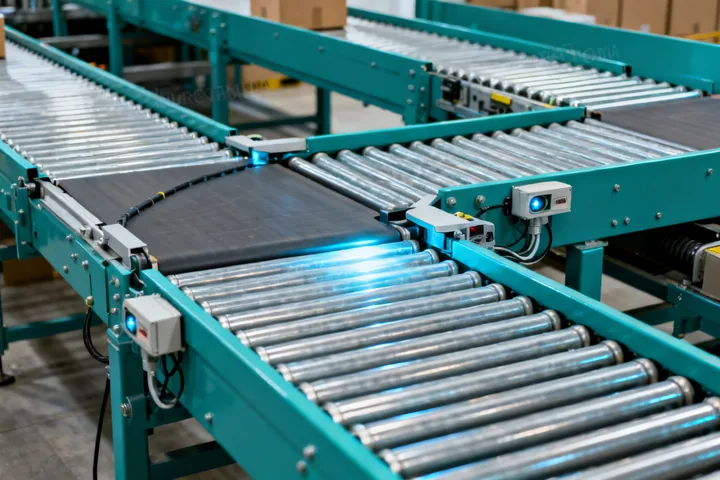
A multi-client hub compared Fives conveyor sections when induction spikes crushed light polybags in zero-pressure zones. The case review froze carton compression limits, recirculation caps and who could release a jammed lane after a protective stop. Peak factor planning used 1.7–2.1× design rate for a four-hour cutoff window, with recovery time measured after each recirculation surge rather than as a single brochure rate. Interface cycle-time notes captured a 2–4 s WCS divert confirmation timeout before PLC restart ownership applied. These figures are planning illustrations, not certified public claims for a named legal entity.
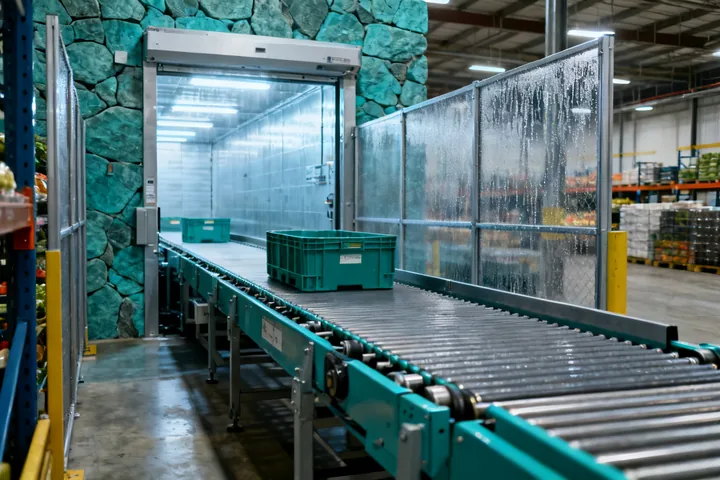
A grocery DC needed tote conveyors that absorbed store-order waves without starving chilled staging. Fives service notes captured sensor cleaning intervals under condensation risk, access paths in constrained aisles, and WCS release ownership when store sequencing changed mid-shift. Acceptance samples tied divert confirmation to tote lid integrity checks instead of open-ended accuracy language.
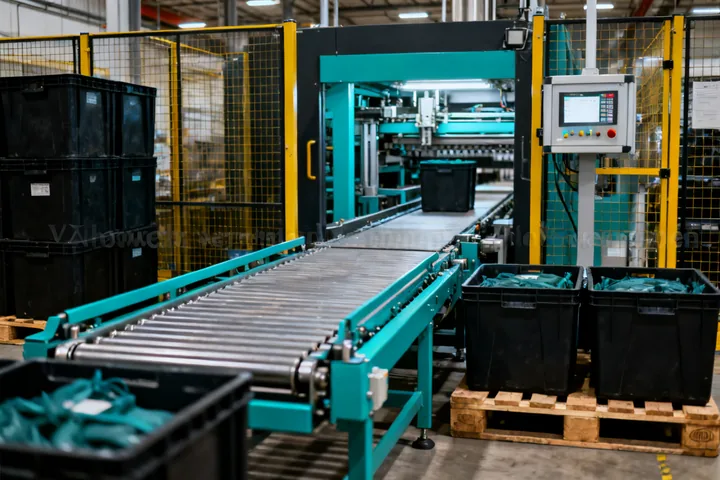
Line-side delivery required Fives conveyor segments that could isolate a spur without stopping the trunk. The case package documented PLC permissive states, spare roller kits staged within a stated travel band, and a retest trigger whenever palletizing pattern recipes changed after SAT. Planning ranges for response windows remained project-specific because aisle geometry and lockout rules changed the achievable recovery path.
Tell Fives which induction, divert or palletizing segment cannot stop, which interfaces authorize release, and which spare kits must be staged before the commissioning window opens.